Introduction
A modular controller helps students build a stable, safe, and fully instrumented magnetic-levitation train prototype.
Building Stability Into Magnetic Levitation
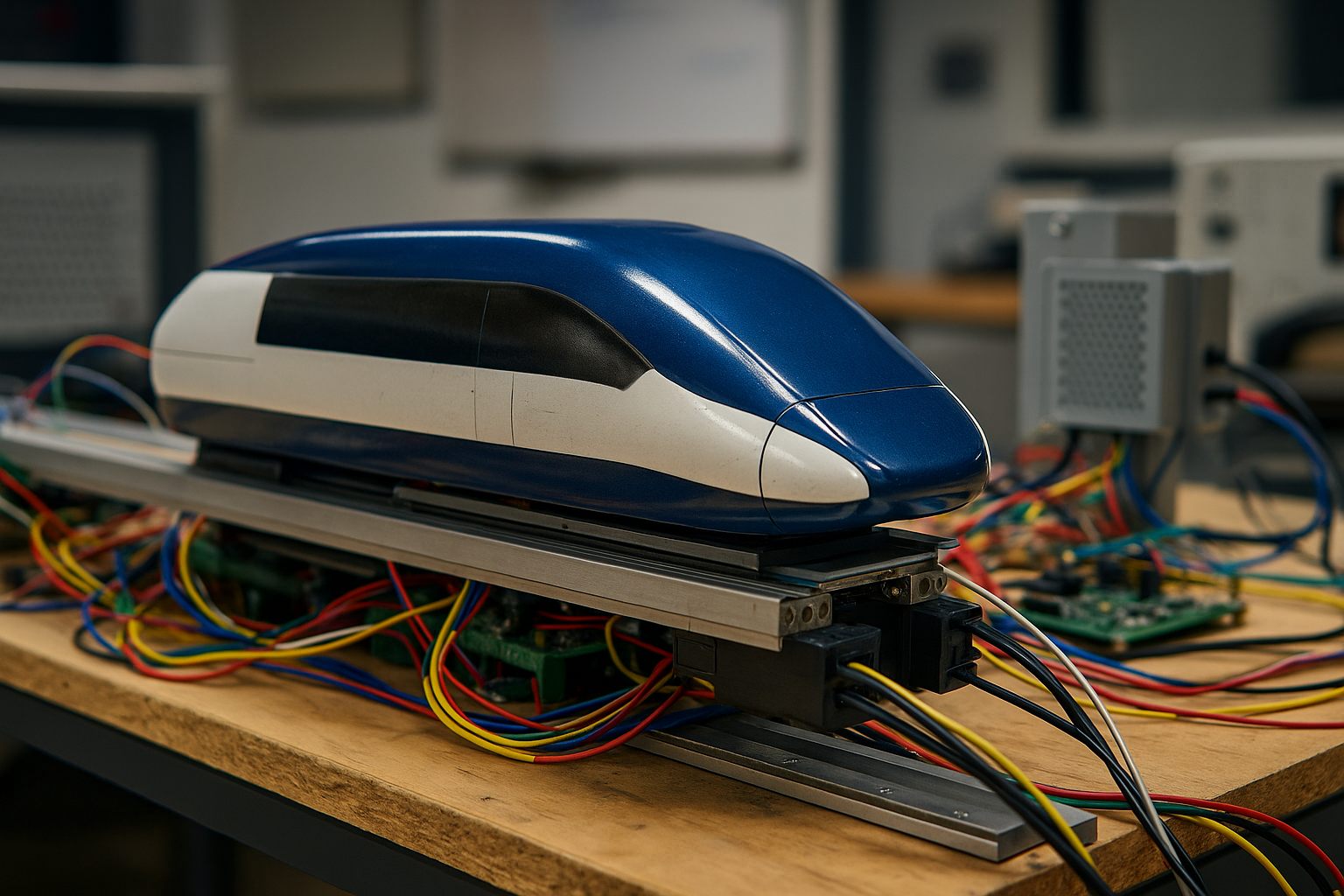
University engineering teams often explore magnetic-levitation systems to study motion control, electromagnetics, and advanced transportation concepts. These small-scale trains float on controlled magnetic fields and move with rapid changes in force. A GOcontroll Moduline controller gives students a flexible and reliable platform for managing this complex setup. It reads sensors, drives electromagnets, and coordinates motion in real time. As a result, research teams gain a stable foundation for experiments, demonstrations, and control-system development.
A Compact Platform Built for Experimentation
The Moduline platform combines a rugged CNC-milled aluminium enclosure with modular I/O. Students can add input modules for position sensors, current sensors, and temperature probes. They can also use output modules to drive power electronics that feed the levitation coils or propulsion coils.
Furthermore, the controller includes CAN interfaces, Ethernet, and local processing through its Linux-based system. Because of this, the setup grows easily from a simple levitation demo to a full multi-segment maglev track.
Stable Levitation Through Fast Feedback
A scale maglev train must hold a precise gap between the magnets and the track. Even a few millimetres of drift can cause instability. The Moduline controller reads gap sensors in real time and adjusts coil currents right away.
This feedback loop improves stability and makes the levitation feel smooth. It also prevents coil overheating or excessive force. For classroom projects, this feature adds safety and protects hardware, which keeps experiments consistent.
Propulsion and Braking Control
Beyond levitation, the prototype train still needs forward motion. Many teams use linear motors or pulsed electromagnets. The Moduline controller triggers these coils with accurate timing, which guides the train along the track.
Additionally, it can coordinate braking by reversing phases or adjusting current profiles. Because all logic runs locally, response times stay short and movement remains controlled even during rapid acceleration or deceleration.
Clear Dashboards With Node-RED
Node-RED is preinstalled on GOcontroll controllers. Students can build dashboards that show:
-
Coil currents
-
Gap measurements
-
Train position
-
Temperature trends
-
Power consumption
-
Control-loop performance
Moreover, these dashboards help teams visualise their algorithms, compare control strategies, and record data for research papers. They also allow remote monitoring during lab demonstrations or competitions.
Simulink for Control-System Design
University teams often use MATLAB Simulink to test ideas before building hardware. The Moduline platform supports Simulink through a GOcontroll blockset. Students design controllers, simulate behaviour, and deploy the compiled model directly onto the hardware.
As a result, they can explore PID control, state-space models, or advanced predictive strategies without rewriting software from scratch. This workflow also speeds up debugging and improves overall understanding of levitation physics.
A Strong Base for Education and Research
Maglev projects teach students about electromagnetics, control theory, power electronics, and embedded systems. The Moduline platform supports these lessons by offering a stable, flexible, and clearly structured architecture.
Because the system is modular, teams can extend the project with new track sections, added sensors, or extra propulsion stages. This makes it ideal for long-term lab courses, research groups, and public demonstrations.
Moduline IV linear actuator control delivers precise motion using half-bridge outputs, feedback inputs, and Simulink-based control loops.
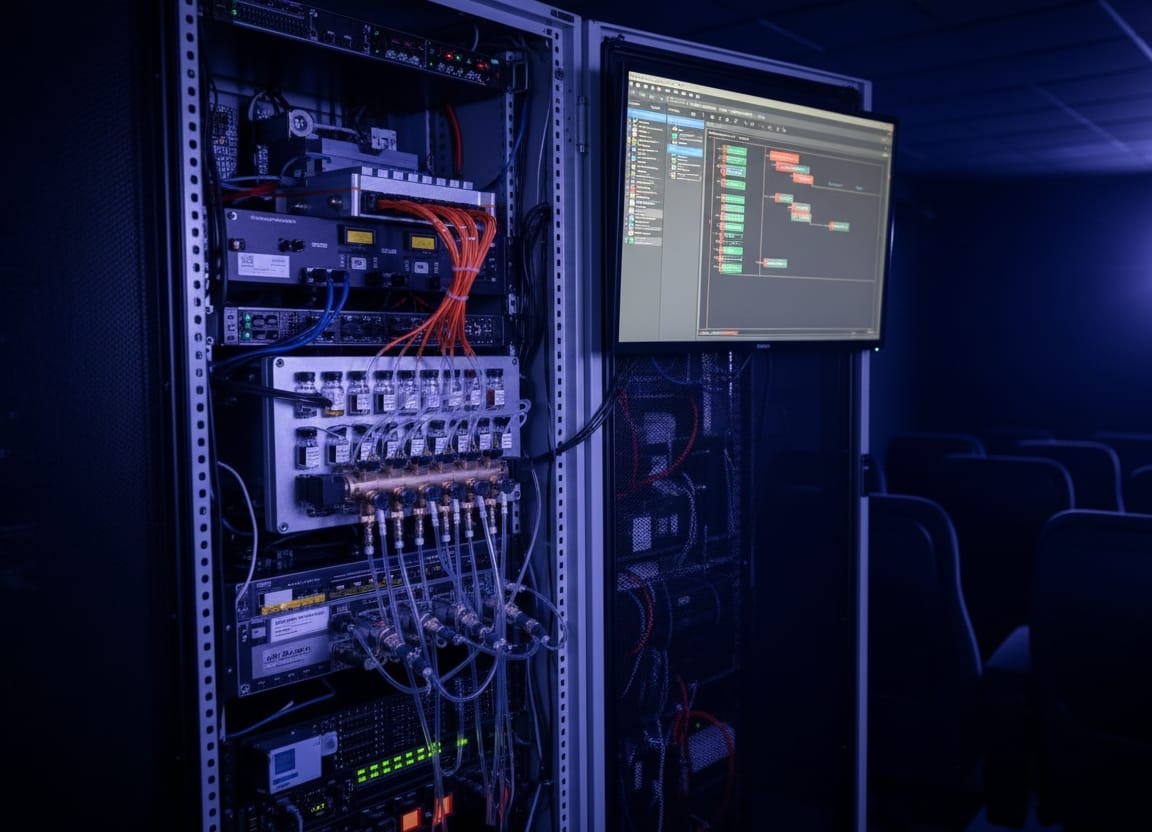
Moduline IV enables precise, programmable scent delivery for 5D-Cinema shows, creating reliable and immersive aroma effects.
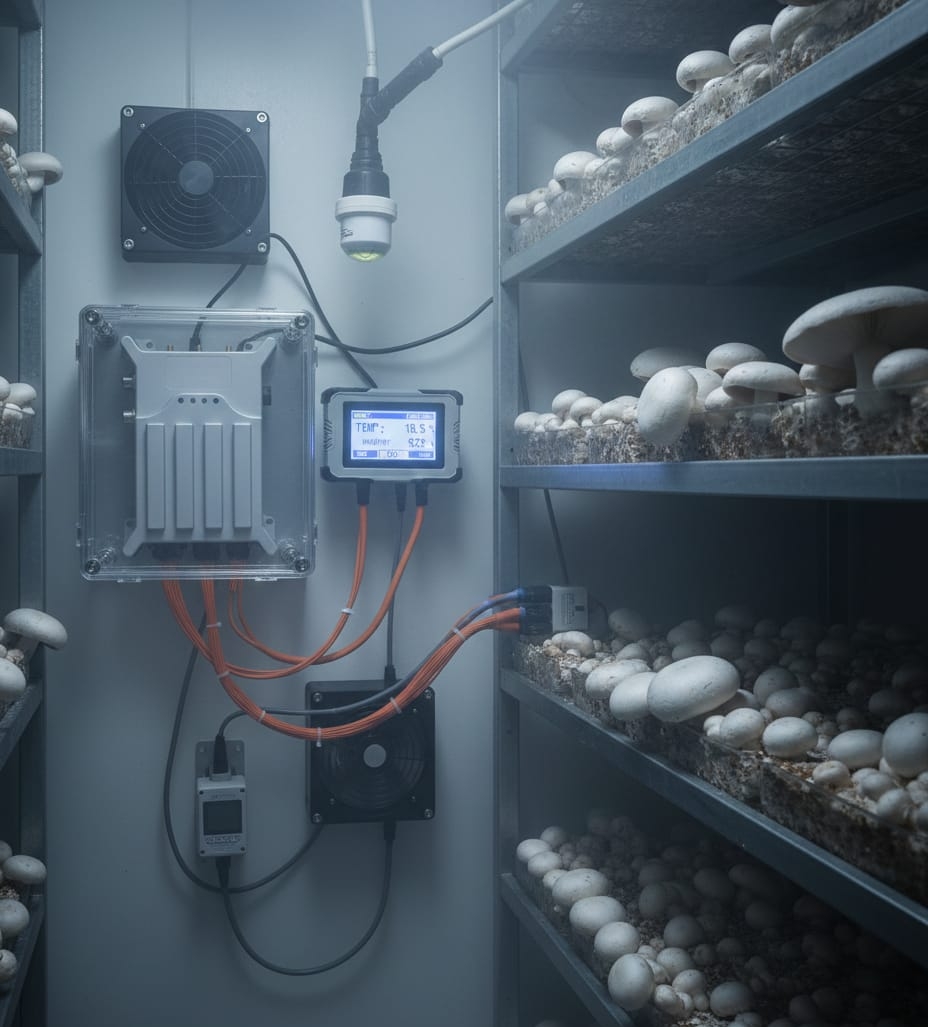
Moduline Mini I mushroom environment controller enables stable humidity, CO₂, airflow, temperature, and lighting control with Simulink and Node-RED dashboards.