
The Key Difference Between ECU and PLC
Published on: August 1st, 2025 · Author: Rick Gijsberts
Introduction
Learn how a GOcontroll controller blends the rugged power of an ECU with the modular smarts of a PLC.

Understanding ECU vs PLC Basics
In the world of automation, there’s often confusion between ECUs and PLCs. Both control systems, yet vastly different in setup, purpose and flexibility. This post explores their differences and shows how GOcontroll combines the best of both.
What Is a PLC System?
A PLC, or Programmable Logic Controller, is a modular system mainly used in industrial automation. Typically placed on DIN rails inside cabinets, PLCs connect to various input/output (I/O) modules like sensors, relays, and actuators. Their modularity makes them ideal for tailored applications:
- Custom I/O setups through plug-and-play modules.
- Central logic programming, often via ladder logic or function blocks.
- Easy maintenance and upgrades due to modular design.
But there are downsides. PLCs are:
- Large and not fit for mobile use.
- Sensitive to vibration and water, needing protected enclosures.
- Time-consuming to wire and configure in field deployments.
What Is an ECU Exactly?
An ECU, or Electronic Control Unit, is designed for dedicated control tasks in vehicles or machines:
- Compact and rugged, ideal for tough environments.
- Mostly encased in sealed aluminum housings (IP-rated, EMC-safe).
- Pre-wired and not user-configurable like a PLC.
Examples include:
- Vehicle body controllers
- Fuel cell control modules
- Engine management units
However, ECUs are:
- Fixed-function: hardware and software are not reconfigurable.
- Hard to repurpose for other projects.
- Sometimes require specialist skills to develop and integrate.
Best of Both Worlds: GOcontroll Moduline
GOcontroll’s Moduline controllers merge ECU toughness with PLC flexibility. Here’s how:
- Robust aluminum housing → field-ready like an ECU.
- Modular plug-in slots → just like a PLC.
- Modules can be configured before deployment.
- Software flexibility using tools like Node-RED and MATLAB Simulink.
- Field-tested in mobile and industrial systems (hydrogen, agri, trailers).
- Each configuration complies with standards
This hybrid approach cuts development time while offering rugged adaptability.
Latest blog
-
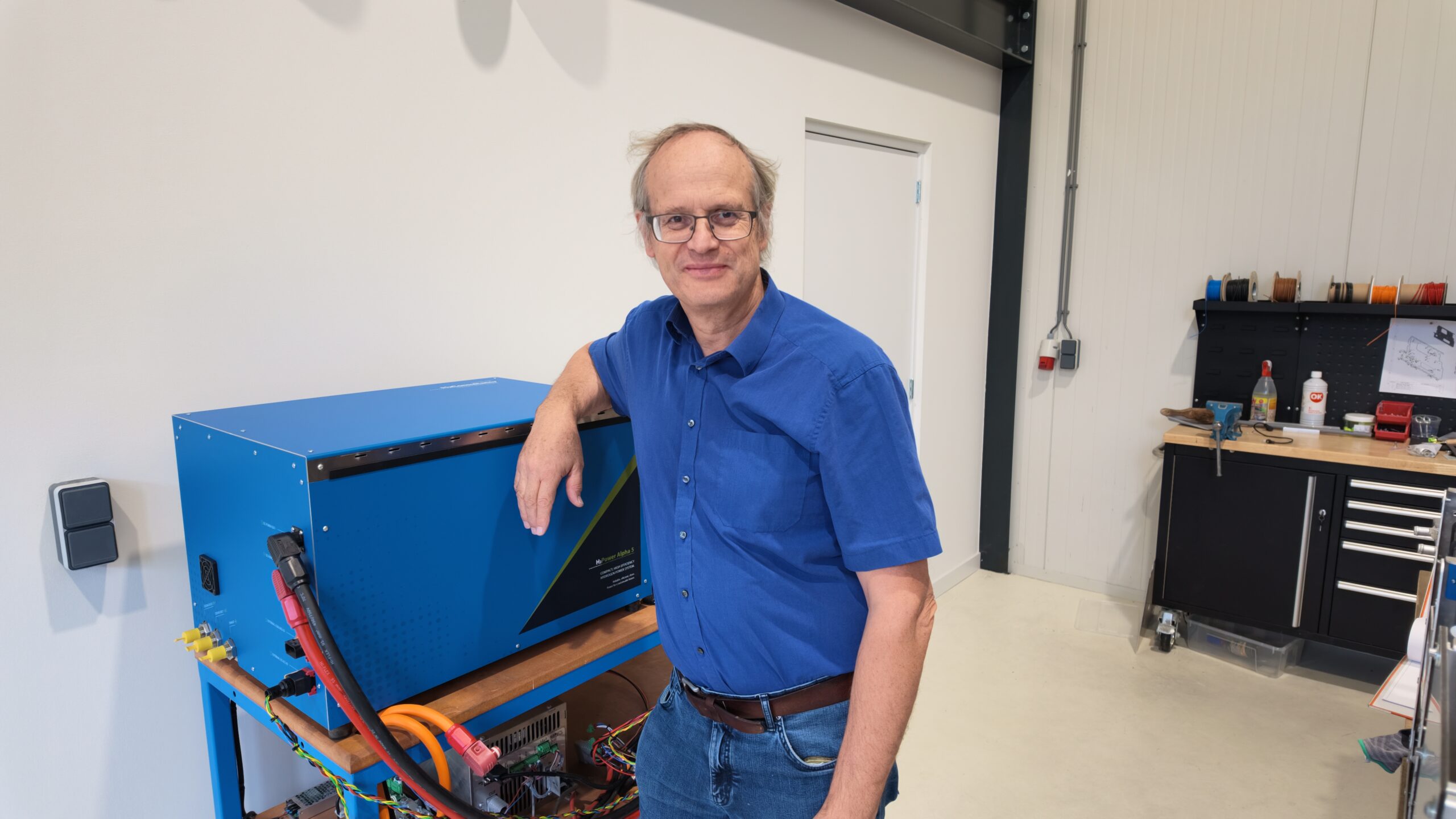
Interview with Huib from H2Consultancy
Selecting a fuel cell is only the beginning. The components, control system and application must then work together. Huib Hupkens van der Elst of…
-
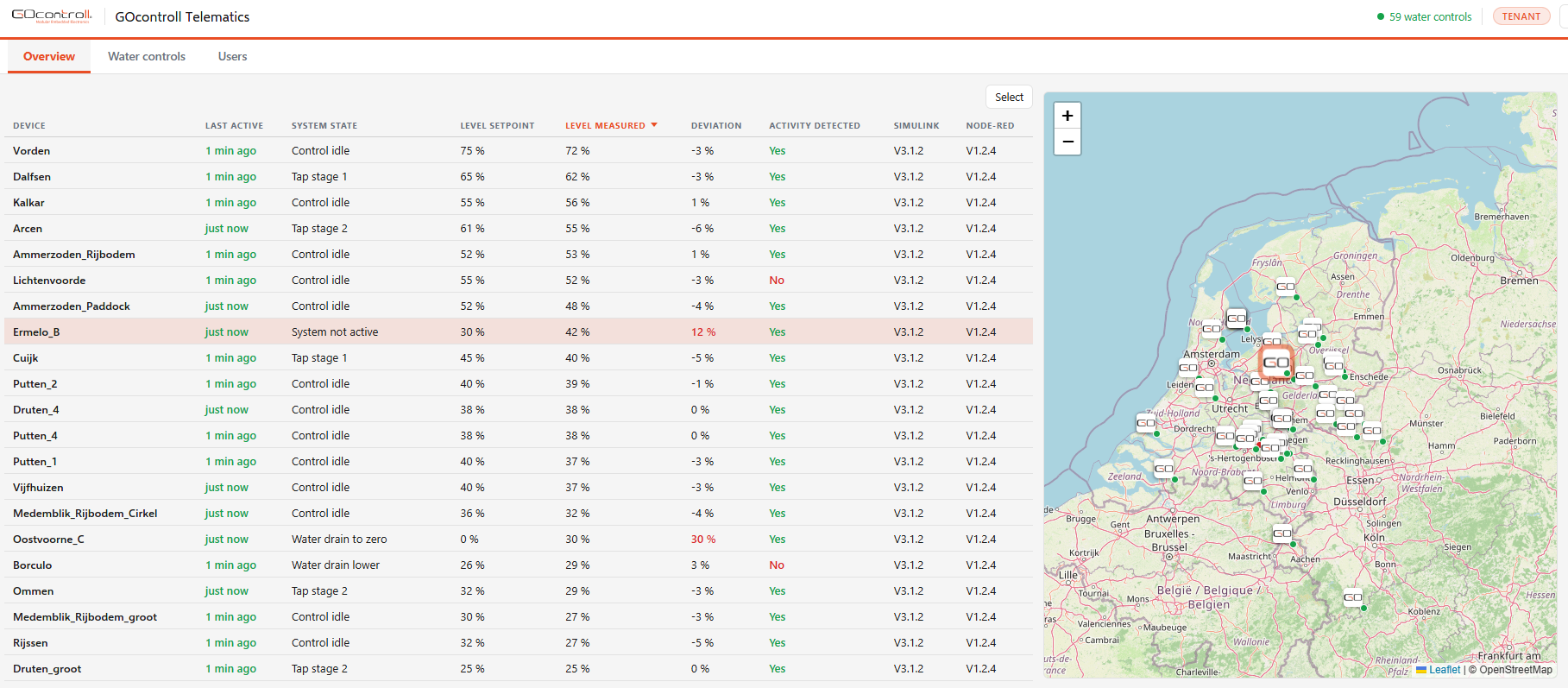
Telematics Retrofit: CAN Data or Added Sensors?
Older machines can join connected fleets, but a CAN connection does not guarantee useful data. Audit available signals, sensor requirements, and platform access before…
-
Dutch Embedded Controller Suppliers: 3 Routes
Compare three sourcing routes: custom electronics, an embedded computer, or a modular machine controller. Define what the supplier delivers and what your OEM still…