
GOcontroll Moduline or a standard PLC: which controller fits your machine?
Published on: October 6th, 2026 · Author: Jaap Terhaard
An off-road vehicle with a digital dashboard. A tractor with adjustable track width. A trailer that recovers braking energy. Or a horse riding arena that automatically maintains its moisture level. Each application needs a controller that processes information and makes components work together.
A programmable logic controller (PLC) is a familiar choice for machine automation. But what if your application operates on rough terrain, outdoors or on a vehicle? This article explores how GOcontroll Moduline differs from a standard cabinet-mounted PLC, and what that means in practice.
The comparison focuses on conventional PLCs installed in control cabinets. Specialised mobile PLCs also exist and may offer comparable capabilities.
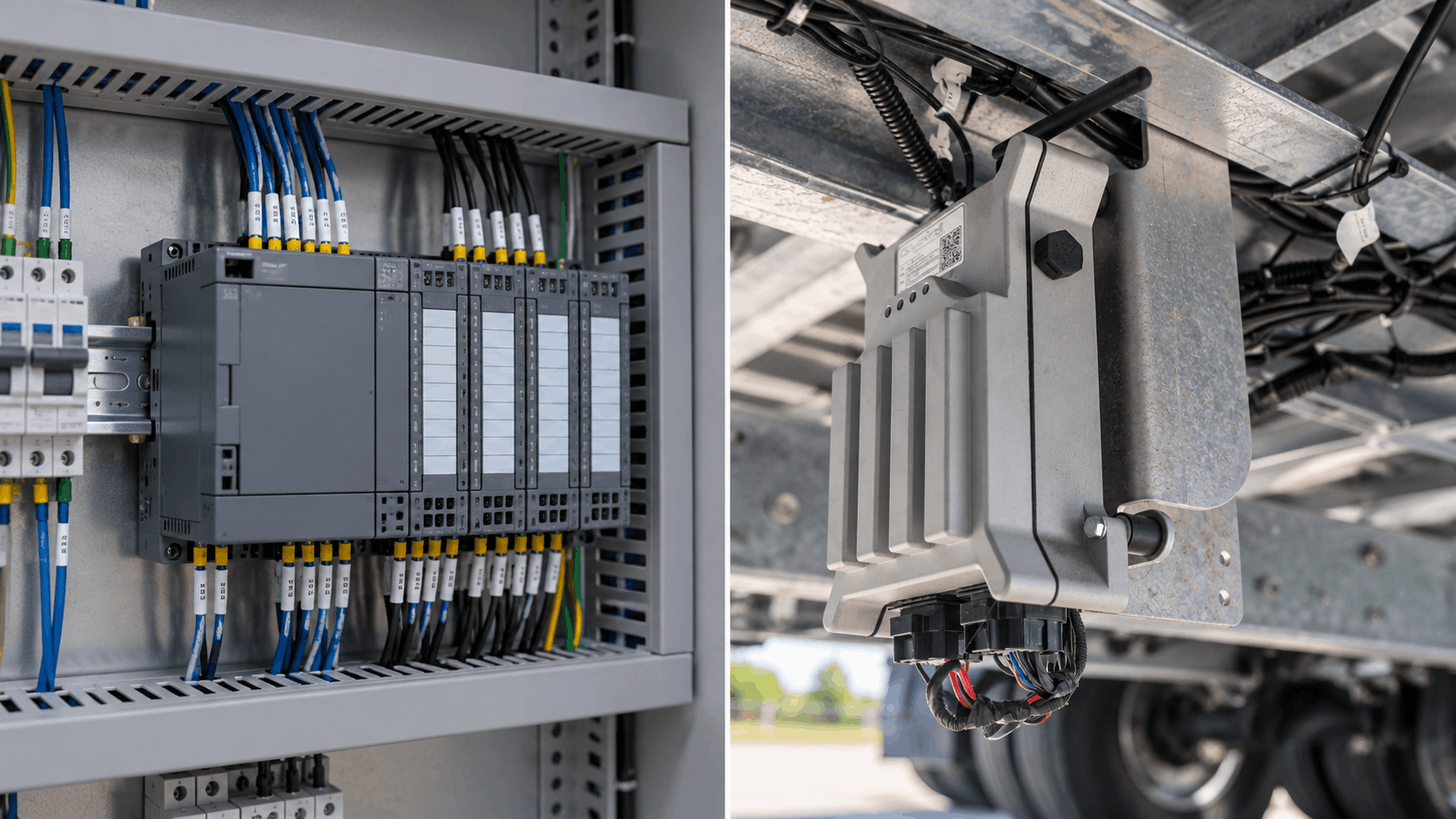
What does a controller do?
A controller receives information from sensors, switches and other systems. Its software then determines how the machine should respond. If a sensor detects a low water level, for example, the controller can open a valve and close it again when the required level is reached.
Both PLCs and Moduline controllers can perform these tasks. Choosing between them depends on the operating environment, the components to be controlled and the way the system needs to develop.
Designed for demanding environments
A standard PLC is often installed in a protected control cabinet in a factory or another fixed installation. Vehicles and mobile machines face different conditions: limited space, dust, moisture and changing temperatures, as well as specific power supply and communication requirements.
GOcontroll develops Moduline with vehicle applications and demanding environments in mind. The robust hardware has been tested against dust and water jets. The model, installation and protection must be selected to suit the application.
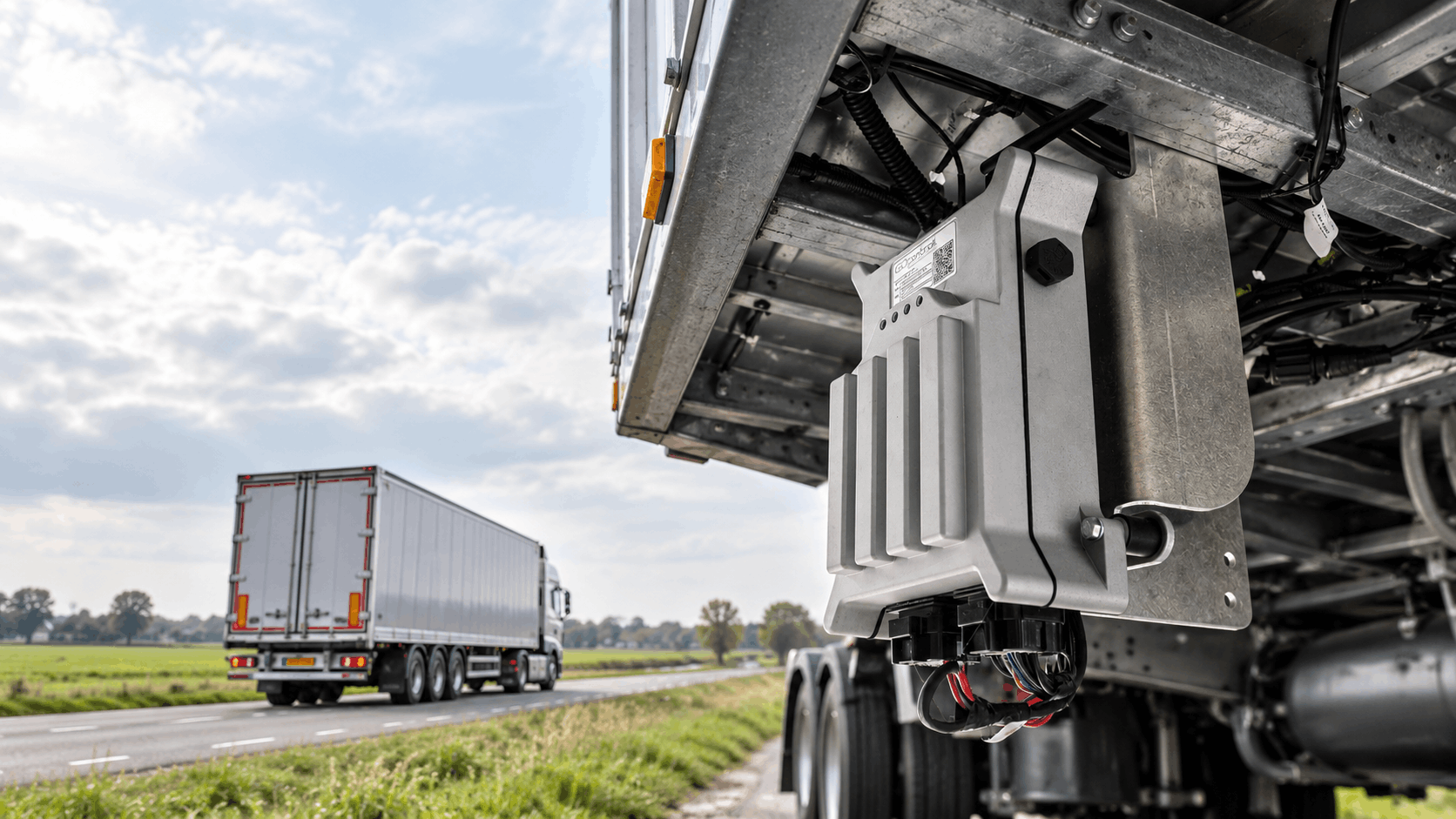
Driving motors, valves and moving components
Opening an inspection chamber cover, operating a water valve or adjusting a tractor’s track width requires more than a control signal. Each component needs the right electrical drive.
Moduline output modules have separate connections for an external power supply. Depending on the selected module and the component’s requirements, suitable motors, valves and other actuators can be driven directly. In some applications, this removes the need for a separate driver and simplifies the wiring and system layout.
A separate supply connection does not automatically increase the voltage. The benefit comes from combining a suitable supply with the required current capacity and control method. Voltage and current requirements determine which module is appropriate.
Adapting the controller as your design evolves
A prototype may need another sensor after testing, or a customer may request an additional function. Moduline combines a controller with interchangeable modules, allowing you to configure the inputs and outputs for your application and adjust them within the selected model’s capabilities.
Many PLC systems are modular too. Moduline’s strength lies in combining this flexibility with hardware designed for vehicle applications, versatile output modules and programmable software. This supports both prototype development and multiple versions of the same machine.
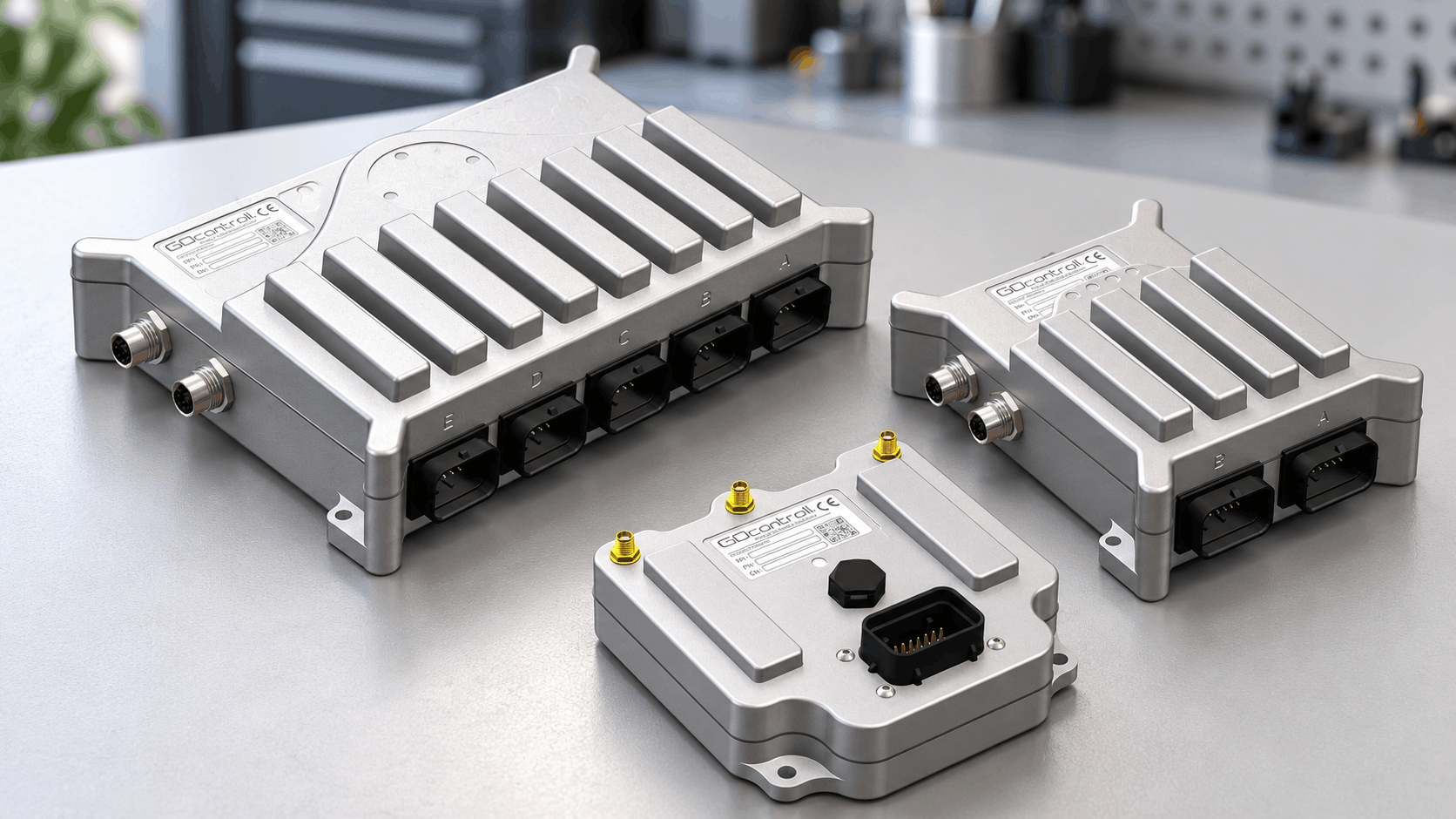
Connecting control, operation and information
Modern machines need sensors, control logic and user interfaces to work together. Depending on the model and configuration, Moduline can communicate with other vehicle systems, a display or an online environment. This enables users to adjust settings, view machine status and, where supported, monitor an installation remotely.
Four applications in practice
The Landrovers: classic design, modern vehicle electronics
The Landrovers rebuilds classic Defenders with modern technology. GOcontroll supplied Moduline controllers for the electric Defender and developed the Moduline HMI1 for applications including a digital instrument cluster and infotainment.
The platform connects vehicle control with driver information and operation, supporting a solution tailored to the vehicle and the intended driving experience.
EOX Tractors: adjusting the machine to the job
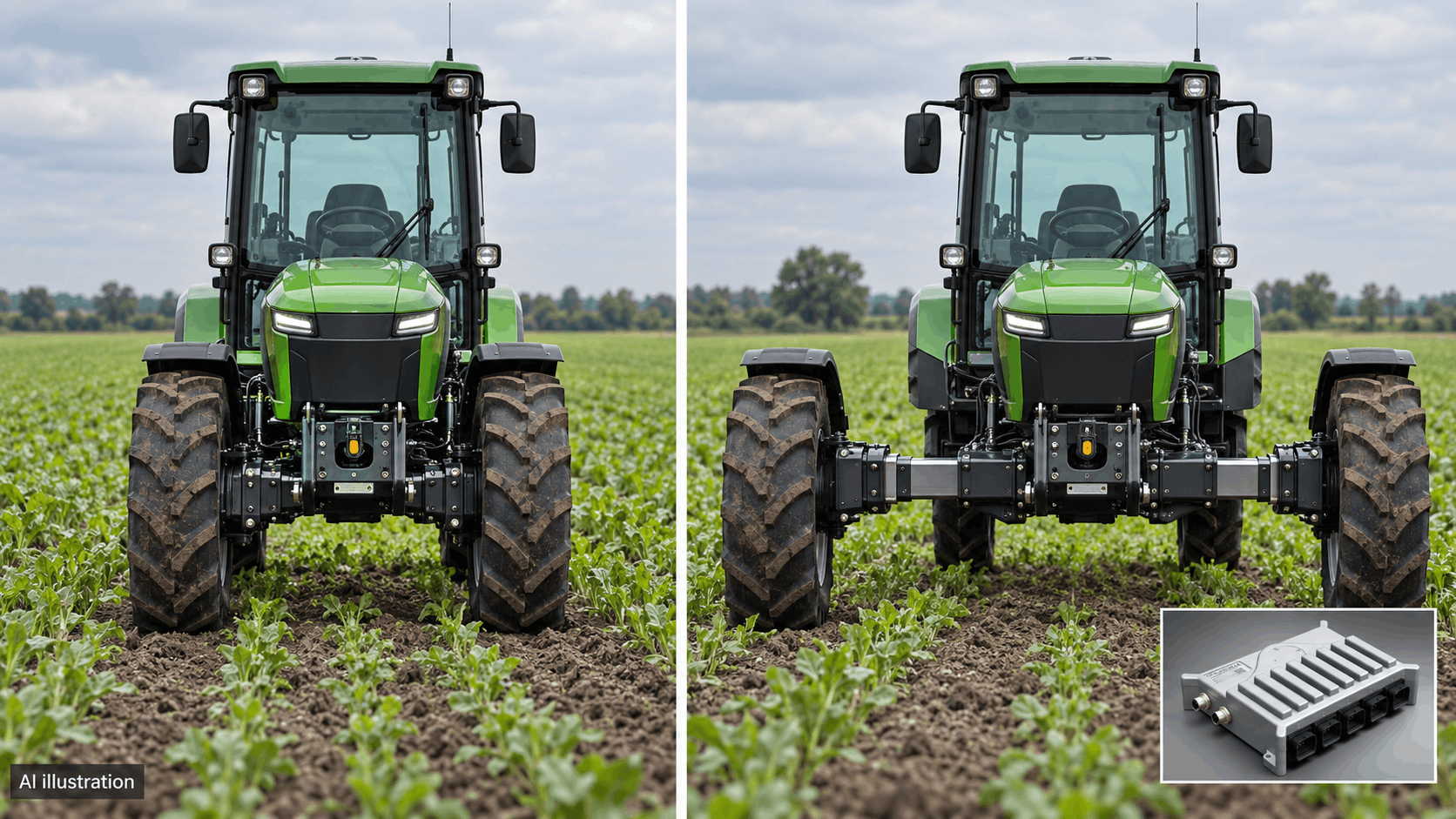
At EOX Tractors, Moduline controllers operate functions including the lifting systems, steering and adjustable track width: the distance between the wheels on the left and right sides. Changing this distance allows the tractor to match the chosen traffic lanes in the field.
The controller translates driver input into movement and communicates with other tractor systems.
Equisport Projects: automated riding arena water management
For Equisport Projects, GOcontroll developed a control system that drains water during rainfall and supplies it during dry periods. Users set the required arena moisture level through a smartphone app. Remote monitoring and software updates are also part of the solution.
Similar installations can include motorised inspection chamber covers, valves and gates. Automation reduces manual work and gives users more control over the condition of the riding surface.
Kraker Trailers: recovering energy and monitoring wear
For Kraker’s E-Trailer, GOcontroll supplied a Moduline M1 controller and contributed to the software and driver interface. The electric axle recovers braking energy, which can later assist the vehicle during acceleration.
For the Smart Trailer, GOcontroll developed a sensor that measures wear on the moving floor. A Moduline M1 with a mobile data connection makes this information available online, providing insight into the condition of the trailer.
Five questions to help you choose
Where will the machine operate?
A protected factory, an outdoor installation or a vehicle? The environment determines the protection and installation requirements.
What needs to be controlled?
List the lights, motors, valves and other actuators, including their voltage and current requirements.
Which systems need to communicate?
Consider sensors, other controllers, vehicle systems and displays.
What should the user be able to operate and see?
The interface might be a switch, a display or an app. It should fit everyday use.
How might the application develop?
Consider prototype testing, additional functions and future product variants.
PLC or Moduline?
A standard PLC remains a suitable choice for many fixed industrial installations. GOcontroll Moduline is worth considering when your application combines demanding operating conditions, direct actuator control, vehicle communication and the flexibility to adapt the system.
Let’s find the right technical match
Developing a new vehicle, machine or outdoor installation? In a Technical Fit Check, we explore your application’s functions, signals, operating environment and scalability together.
Features and capabilities vary by controller model, module and system configuration.
Latest blog
-
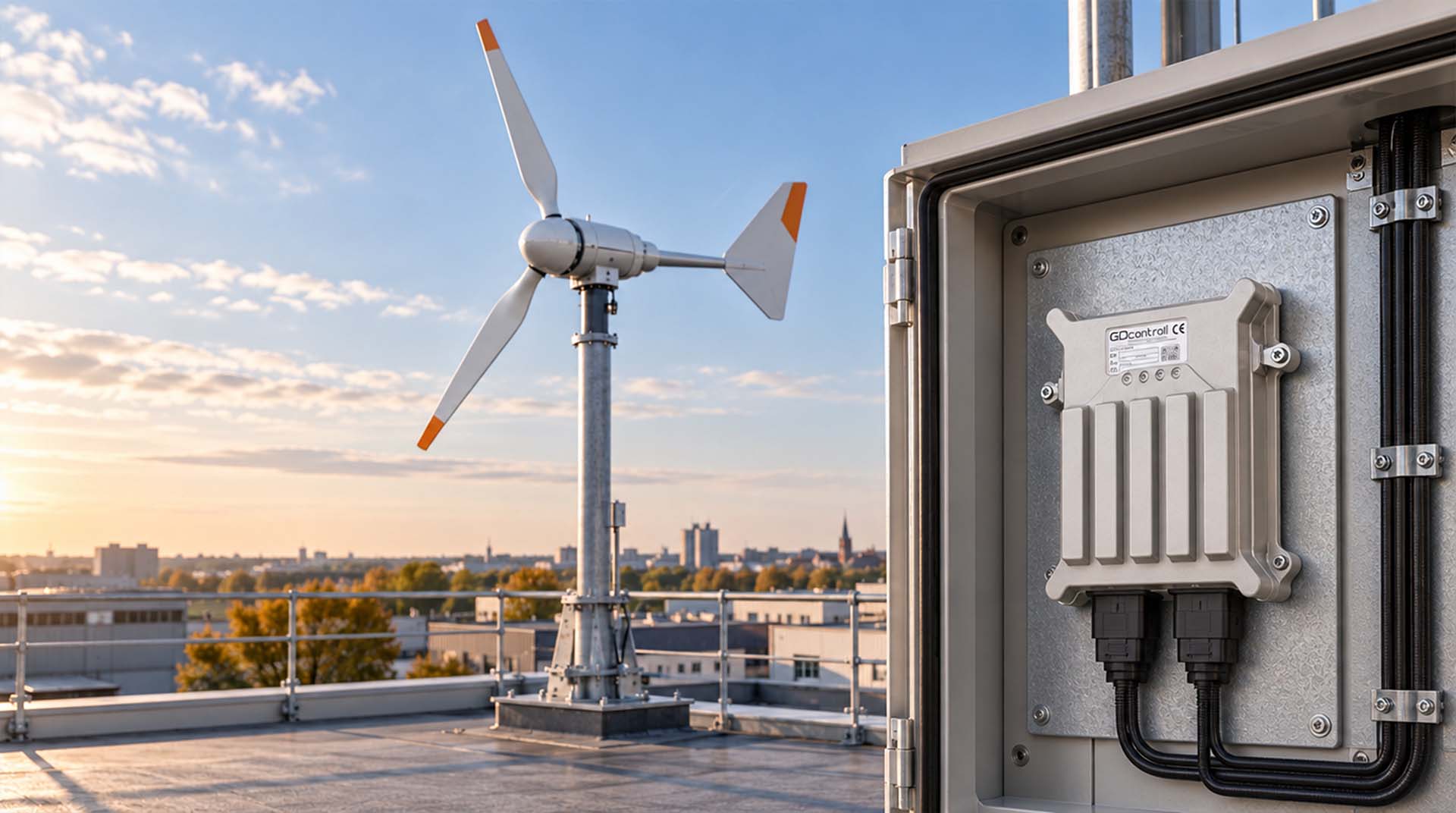
Rooftop Wind Turbine Control Node: Modular Control and Monitoring
The Moduline M1 controls rooftop wind turbines with smart load control, active yaw adjustment, vibration monitoring, and real-time remote dashboards.
-

Precise Linear Control Using Moduline
Moduline L4 linear actuator control delivers precise motion using half-bridge outputs, feedback inputs, and Simulink-based control loops.
-
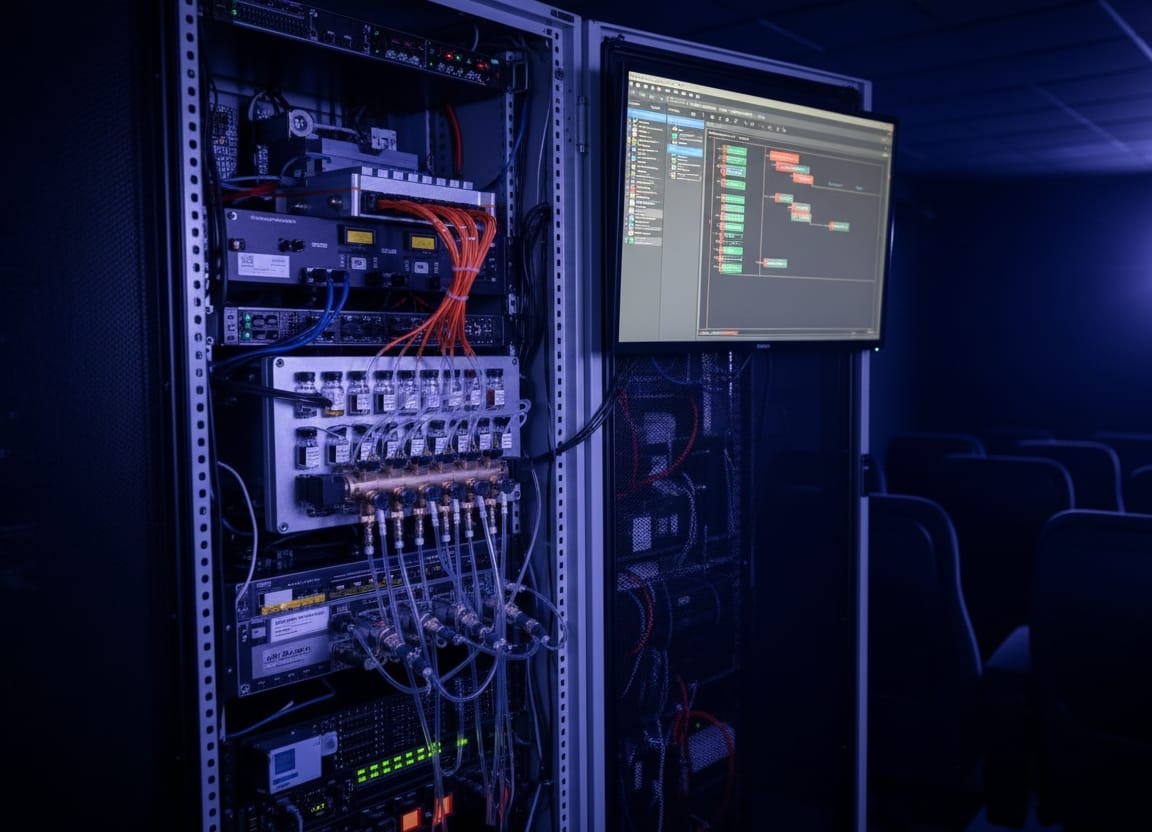
Moduline L4 5D-Cinema Scent Automation
Moduline L4 enables precise, programmable scent delivery for 5D-Cinema shows, creating reliable and immersive aroma effects.